We have found another way to go to the former Yugoslavia, at least virtually, during the travel restrictions. This time not in a culinary way, but in an acoustic way. Using the internet via mobile phone and the app "ExYu Radio", we now listen to the same stations while jogging in Germany as we do... Continue Reading →
Auf Radio-Wellen ins (Ex)Jugo-Land
Wir haben eine weitere Möglichkeit gefunden, uns während der Reisebeschränkungen zumindest virtuell in das ehemalige Jugoslawien zu begeben. Dieses Mal nicht auf kulinarische, sondern auf akkustische Art. Mittels Internet über das Mobiltelefon und der App "ExYu Radio" hören wir jetzt beim Joggen in Deutschland dieselben Sender, wie wir das bei unseren Morgenläufen auf den beruflichen... Continue Reading →
Ferienkinder in Büller-bio-vac
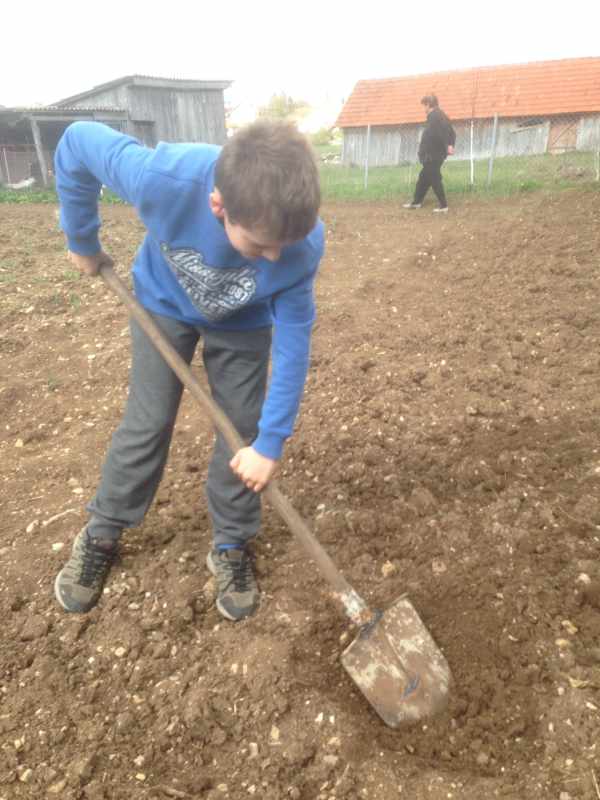
Kinder sind anspruchsvoll, was den Urlaub angeht, und möchten unterhalten werden. Viel interessanter als Museen ist für deutsche Kinder das Dorf der eigenen Großeltern auf dem Lande irgendwo im ehemaligen Jugoslawien. Dort kann man sich in den Osterferien richtig verausgaben, wenn Felder und Gärten bestellt werden. Und dann, wenn man in den Sommerferien wiederkommt, kann... Continue Reading →
„You can count on us“: Even if we play rock music, we are still good communists
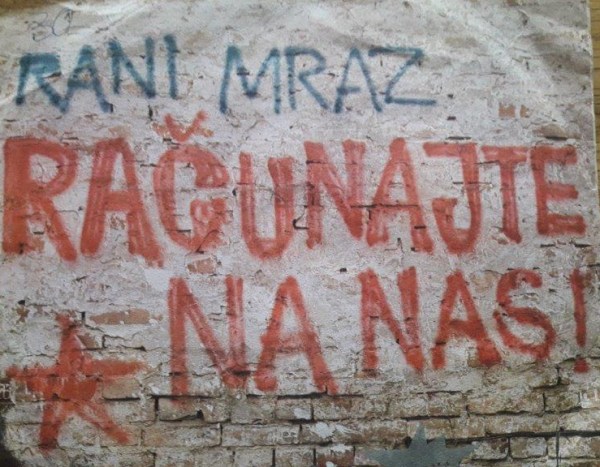
Strange topics and separate paths Because of the themes sung about on it, the single „Raćunajte na nas“ (freely translated: „You can count on us“) by the band Rani Mraz (Early Frost), which was released in 1978, is a musical curiosity. The B-side is called „Strašan žulj“ (freely translated: „I have a mighty bubble on... Continue Reading →
Make Music not War: Footprints in Sarajevo through the ages
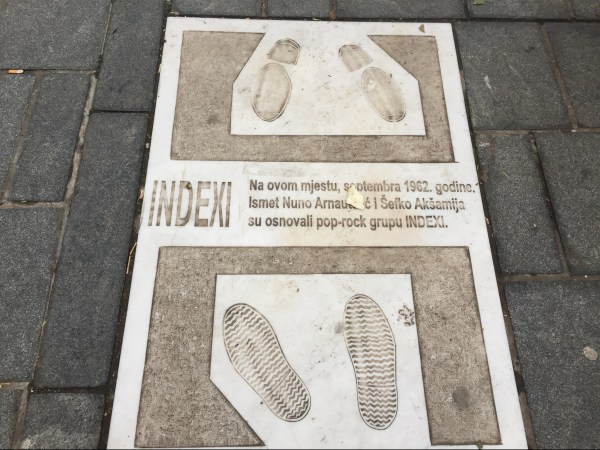
Rock music has aged somewhat: In Britain, it is already routine for rock veterans to be ennobled, Bob Dylan has been awarded the Nobel Prize and in London and Berlin, plaques commemorate important events in the careers of the Rolling Stones and David Bowie. At least the commemorative plaque trend has now also arrived in... Continue Reading →
With Đorđe Balašević, another piece of Yugoslavia has also died
He was an essential part of the soundtrack of Yugoslavia in its last two decades, which he analysed and described critically and melancholically in his songs. In doing so, he did not shy away from critical political commentaries and was not afraid to take on the powerful, first and foremost Slobodan Milošević. And his concert... Continue Reading →
Mit Đorđe Balašević ist auch ein weiteres Stück Jugoslawien gestorben
Er war ein wesentlicher Teil des Soundtracks Jugoslawiens in dessen letzten beiden Jahrzehnten, das er in seinen Liedern kritisch und melancholisch analysierte und beschrieb. Dabei scheute er auch vor kritischen politischen Kommentaren nicht zurück und scheute sich nicht, sich auch mit den Mächtigen, allen voran Slobodan Milošević, anzulegen. Und sein Konzert in Sarajevo, direkt nach... Continue Reading →
Where does the Yugoslav road lead to?
Where does the Yugoslav road lead to? Although Yugoslavia no longer exists as a state, there is still a Yugoslavia Road (Jugoslavska) in Prague, which is located in Prague's 2nd district, not far from the Romanian and Belgrade streets. The Jugoslavksa is a middle-class street, renovated since the end of socialism, with a passable tram... Continue Reading →
To the canteen only with „Žeton“ and special currency
A strange coin, quite worn, a castle in the middle and then the inscription "Student Centre Novi Sad". "hat it was for? As a deposit for the locker in the library?As a means of payment in the canteen? Neither: It was a token for cutlery (Žeton za Eszajg). You had to hand it in at... Continue Reading →
Showpiece locomotives at the station and Cinderellas on the storing track
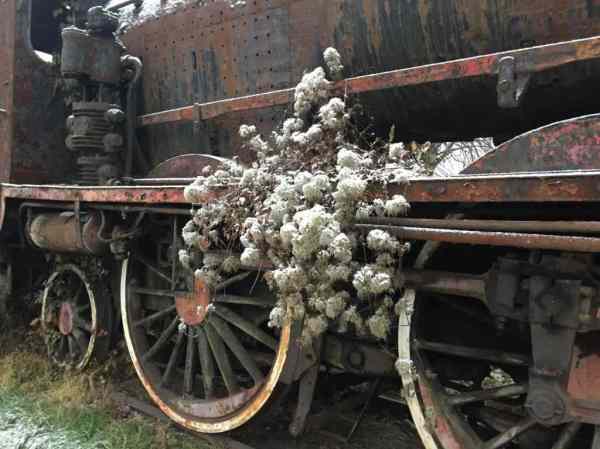
It was characteristic of Yugoslavia that historical locomotives were placed as monuments at many train stations. In addition, on remote railway sidings, discarded locomotives were found, which - much less well maintained - were rotting away. In Niš in the south of Serbia this is still the case today. There you can find a historical... Continue Reading →